Introduction
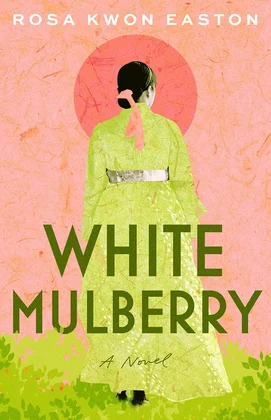
Published by Rosa Kwon Easton in December 2024, White Mulberry is based on her grandmother’s life through Japanese-occupied Korea. It is a standalone historical fiction that captures the realities of racial cleansing, motherhood and grief.
A Summary
White Mulberry tells the tale of Miyoung’s life throughout the 1920’s to the 1940’s as she copes with the cleansing of her Korean heritage, identity and faith. The story moves through her childhood, to her departure to Japan and her journey into motherhood, in spite of all of the challenges she faces.
Writing Style
The writing style is slow and methodic, with a singular POV. It contains almost constant internal monologue. The chapters are average for a typical piece of historical literary fiction.
My Thoughts
White Mulberry is undoubtedly a heart-wrenching story about the cost of war, identity and the cultural cleansing of Koreans at the hands of the Japanese. It only gets more so when you realise it is based on a real person - the author’s grandmother. Throughout the novel, a lot of quotes stuck out to me regarding the struggles of womanhood and the suffering we are expected to handle in silence; despite the book being written as a historical piece of fiction, the experiences spoke true for society today as well. I, admittedly, didn’t know the most about the topics covered in this book before going into it, and I do feel like I learned a lot from it while still feeling engaged with the story. The use of the name changes for Miyoung throughout the story were nicely implemented to show the change in her identity depending on the situation she was in.
However, I do have a lot of issues with the repetitive feeling I had while reading, especially in the second half. The plot points themselves weren’t particularly monotonous, but the way it was written made it more of a struggle than it needed to be. Multiple times throughout my time reading, the repetitive sentences when something good or bad happened caused me to stop reading because I was finding it difficult. I also think the ending of the novel felt rushed in comparison to the slower pace that the rest of the book has. I read the last page and got whiplash from how it ended.
Trigger Warnings
Please note this is a non-comprehensive list and there may be triggers in this book not explicitly stated here.
- Death
- Bereavement
- Arranged Marriage
- Domestic Abuse (Off-page)
- Issues with Breastfeeding
Recommendation
I would recommend this book to those who want to learn more about that time period, but do not go into the novel expecting things to happen. Of course things do happen over the novel, but it is ultimately about the thoughts of Miyoung than the plot points themselves.